Overview
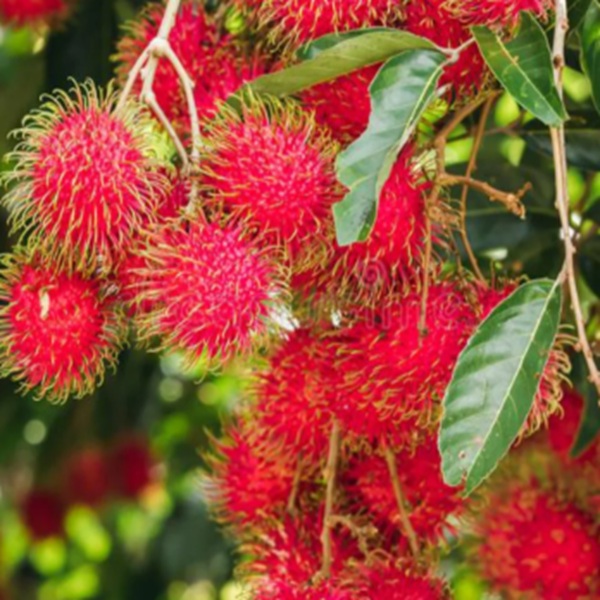
Rambutans are one of the most visually striking tropical fruits, with their bright red or yellow skin covered in soft, hair-like spines. Beyond their unique appearance, they boast a juicy, sweet, and slightly floral flavor that makes them a prized fruit in Southeast Asia and tropical regions worldwide. Stay tuned to learn how to grow rambutans.
Growing rambutans requires patience, warmth, and a bit of know-how. These trees thrive in hot, humid climates, producing abundant fruit once mature. While they do demand specific conditions, cultivating rambutans is a rewarding experience, offering shade, beauty, and a delicious seasonal harvest.
Getting Started
Choosing the right variety is an important first step when growing rambutans. Some popular cultivars include:
- R5, known for its high-yield fruit and sweet taste
- Binjai, a favorite in Indonesia with slightly firmer flesh
- Rongrien, a Thai variety known for its rich flavor
Rambutans thrive in tropical environments, making them ideal for USDA zones ten through twelve. They need consistently warm temperatures and do not tolerate frost, which can severely damage the plant.
The best planting location provides full sun, as rambutan trees require at least eight to ten hours of direct sunlight daily for optimal growth and fruit production. While they can handle some partial shade, reduced sunlight leads to weaker branches and lower yields.
Soil quality plays a significant role in tree health. Rambutans prefer well-draining, loamy soil with a pH between 5.5 and 6.5. Heavy clay soil should be amended with sand or organic matter to improve aeration and prevent excess moisture retention, which can lead to root rot. Find out more about soil types to determine whether your garden has optimal growing media or ways you can improve it.
Planting Basics
Growing rambutans from seeds is possible, but it takes five to six years before fruiting begins. A faster approach is to plant grafted trees, which mature in two to three years.
When planting:
- Dig a hole twice the width and depth of the root ball to allow for healthy root expansion
- Ensure proper drainage by incorporating organic compost or sand into the soil
- Space trees at least fifteen to twenty feet apart to accommodate their wide canopy
Watering is crucial in the early stages. Young rambutan trees need frequent, deep watering to develop strong roots. Once established, they tolerate short dry periods but benefit from consistent moisture, especially during fruiting.
Mulching helps retain soil moisture, regulate temperature, and reduce competition from weeds. Organic mulch like coconut husks, wood chips, or straw placed around the base ensures the roots stay cool and hydrated.
Pruning
Rambutan trees grow dense foliage, making occasional pruning necessary for maintaining structure and encouraging fruit production.
During the first few years, light pruning shapes the tree and promotes balanced growth. Removing weak or crossing branches ensures air circulation and sunlight penetration, helping prevent fungal issues.
Mature trees benefit from selective thinning, especially removing excessive interior branches that block airflow. Trimming overly long branches also prevents the tree from becoming too tall, making harvesting easier.
Properly pruned trees direct more energy toward fruiting rather than excessive foliage growth, leading to better yields and healthier fruit clusters.
From Flower to Fruit
Rambutan trees bloom with small, fragrant yellow-green flowers, which transform into fruit over several months. The flowering season depends on climate conditions, but in consistently warm areas, rambutan trees can produce fruit twice a year.
Pollination plays a crucial role in fruit development. While some varieties are self-fertile, others require cross-pollination, meaning having multiple trees can increase production. Bees and other pollinators are essential in ensuring high fruit yields.
The fruit initially grows green before turning bright red or yellow as it ripens. Unlike some tropical fruits, rambutans do not ripen significantly after harvesting, meaning careful timing is needed for the best flavor.
One interesting factor in rambutan fruit size is moisture availability during growth. Trees that receive steady watering while fruit develops tend to produce larger, juicier rambutans, while inconsistent hydration may result in smaller fruit.
Another unique detail is the effect of shade on fruit texture. Rambutans exposed to slightly filtered sunlight often develop a softer, more delicate flesh compared to those grown in full sun, which tend to have firmer pulp.
Harvesting
Rambutans are ready for harvest when their outer shell turns a vibrant red or yellow, depending on the variety. The spines should remain soft, indicating optimal ripeness.
The best method for harvesting is cutting fruit clusters using pruning shears rather than pulling. This prevents damage to surrounding branches while ensuring clean cuts that keep the tree healthy.
Fresh rambutans can be eaten immediately, but they have a relatively short shelf life. Keeping them in a cool place or refrigerating helps maintain freshness for up to two weeks.
For longer storage, rambutans can be frozen without losing their texture, making them ideal for blending into smoothies or using in desserts.
Final Thoughts
Growing rambutans takes time, but the rewards are well worth the effort. Their vibrant color, exotic appeal, and delicious taste make them a valuable addition to any tropical garden. While they require warmth, proper care, and patience, their high yields and striking beauty make them one of the most exciting fruit trees to cultivate. To learn even more about planting this unique fruit, you can visit here.