The Art of Growing Oranges: A Journey Through Patience and Care
Overview
Growing oranges isn’t just about planting a tree—it’s about nurturing life, creating abundance, and embracing the rhythm of nature. Scientifically known as Citrus sinensis, oranges bring not only vibrant color to gardens but also powerful nutrition to our diets. Packed with vitamin C, fiber, and antioxidants, they offer an immune-boosting refreshment straight from the soil.
Thriving in subtropical climates, oranges love temperatures between 55°F and 85°F—places where winters are gentle and summers are warm. Their sun-kissed glow, sweet fragrance, and crisp juiciness make them a favorite among gardeners and farmers alike. But beyond their flavor, growing oranges is a deeply rewarding experience, one that teaches patience, perseverance, and a connection to the living earth.
Getting Started
Before you plant your first orange tree, choosing the right variety is the key to success. Each type has unique characteristics—some thrive in humid environments, while others prefer drier conditions.
- Valencia oranges are a gardener’s delight, famous for their sweet juice and extended harvest season.
- Navel oranges stand out for their easy-to-peel skins and refreshing taste, making them perfect for eating fresh.
- Blood oranges, with their rich crimson hue, develop their distinct flavor best in areas with cooler nights.
Space is another factor—some trees grow towering 30 feet high, while dwarf varieties fit neatly into small gardens or containers. Understanding your climate and available space ensures you pick a variety that thrives where you plant it. But planting an orange tree isn’t just a technical choice—it’s an investment in life, a commitment to nurturing something that will give back abundantly for years to come.
Planting Basics
Soil quality is the foundation of a healthy tree. Oranges prefer sandy loam with excellent drainage, preventing root rot while allowing for deep water absorption. Their ideal pH sits between 6.0 and 7.5, slightly acidic to neutral, ensuring nutrient availability. If your soil is too dense or alkaline, amending it with compost or organic matter can help create the right balance before planting.
Once the tree is in place, sunlight becomes its energy source—at least 6 to 8 hours a day ensures strong growth and sweet fruit. Watering deeply but infrequently encourages roots to stretch downward in search of moisture, creating a stable foundation rather than shallow, weak roots that depend on constant watering. Fertilizing with a citrus-specific blend provides essential nutrients to keep the tree thriving, ensuring that when the fruits arrive, they are bursting with flavor and vitality.
Planting an orange tree isn’t just about technique—it’s about laying the groundwork for something incredible, watching tiny green buds transform into glowing orbs that brighten up the garden and the kitchen alike.
Pruning
Pruning an orange tree is a gentle conversation with nature—a way of guiding the tree to its best possible form. Done early in the spring, pruning removes dead or crossing branches, allowing better air circulation and sunlight exposure.
For young trees, light pruning helps shape their structure, ensuring balanced growth. Mature trees need minimal trimming, just enough to remove diseased or overcrowded limbs and encourage better fruit production. Using clean, sharp tools prevents infections and keeps the tree strong and resilient.
But pruning isn’t just about cutting—it’s about listening to the tree, understanding its natural rhythm, and allowing it to grow with strength and grace.
From Flower to Fruit
Oranges begin as delicate white blossoms, filling the air with their subtle, citrus-sweet fragrance. Pollination plays a vital role in fruit development—while most varieties self-pollinate, the presence of bees and butterflies enhances the process, ensuring a stronger fruit set.
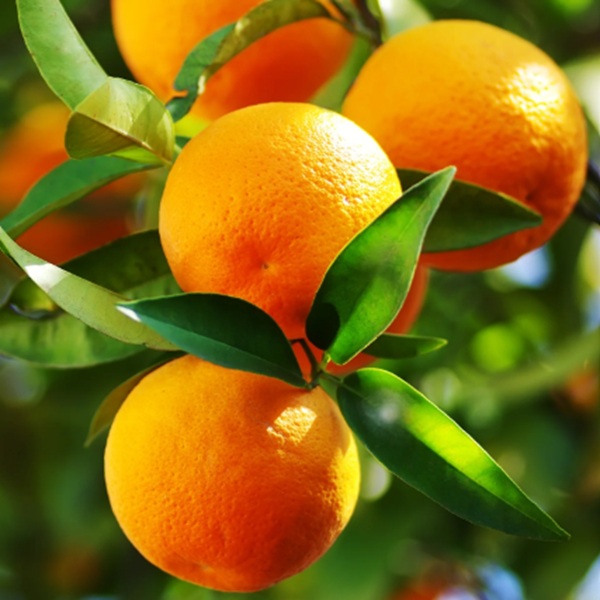
After flowering, the journey of growth begins. Over 7 to 8 months, tiny green orbs swell in size, transforming into rich, golden fruit. During this period, consistent watering and protection from extreme temperatures determine the quality and sweetness of the harvest.
Watching oranges evolve—seeing the transformation from flower to fruit, from a tiny bud to something you can hold in your hand—is nothing short of magical. It’s the reward for patience, a moment of satisfaction in knowing that nature responds to the care we provide.
Harvesting
The art of knowing when to pick an orange comes down to color, texture, and scent. When the fruit reaches its full orange hue and feels slightly soft to the touch, it is ready. Twisting it gently from the branch ensures a clean removal, preserving the stem and preventing damage.
After harvesting, oranges can be stored in a cool, ventilated area or refrigerated to extend their freshness. Whether you enjoy them fresh, juiced, or as part of a recipe, the taste of homegrown oranges is unlike anything store-bought—it carries with it the flavor of dedication, the essence of nurturing a tree from soil to fruit.
Final Reflections
Growing oranges is more than just cultivating a fruit—it’s a journey of patience, care, and connection to nature. From selecting the right variety to harvesting the first ripe orange, each step brings its own joys and lessons. Understanding the needs of your orange tree—its thirst for sunlight, its need for strong roots, its reliance on pollination and care—allows it to flourish and reward you year after year.
There’s a quiet joy in watching an orange tree grow, in seeing tiny green buds transform into juicy, sun-kissed fruit, in savoring the first bite of something you nurtured. Gardening isn’t just about plants—it’s about growth in every sense of the word.
So, whether you’re planting your first seedling or tending to a mature tree, embrace the journey. With care, patience, and a little bit of love, your orange tree will thrive, filling your garden with color, your home with fragrance, and your life with the satisfaction of growing something truly wonderful.
To continue on your fruity journey, check out our gallery of fruits you can grow in your back yard. Happy planting!