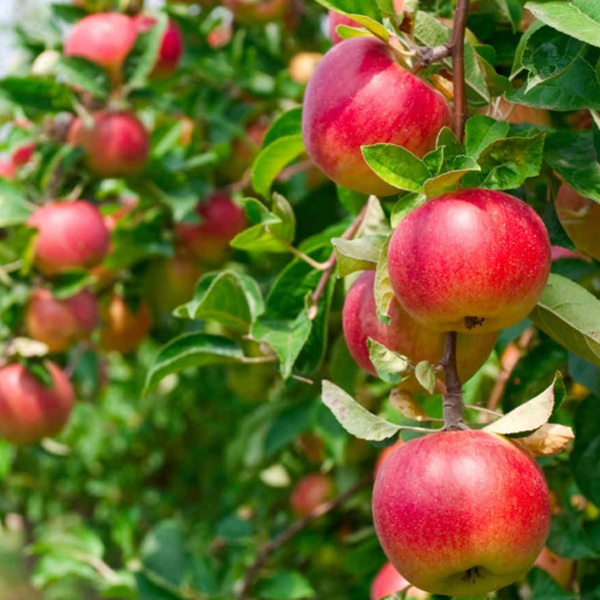
Overview
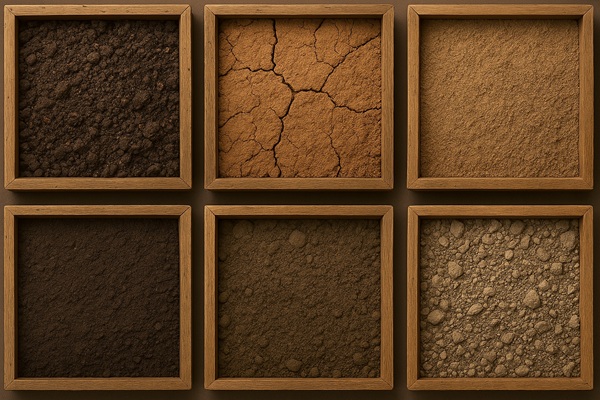
Understanding how to grow apples (scientific name, Malus domestica), begins with basic knowledge about this popular fruit. With their high nutritional value, including fiber, vitamin C, and various antioxidants, apples thrive in temperate climates, requiring a cold period for dormancy and a warm, sunny growing season. They are adaptable to many soil types but prefer well-drained, loamy soils. This versatility makes them a favorite among home and commercial growers alike.
Getting Started
Choosing the right variety is crucial when learning how to grow apples. Consider climate adaptability, disease resistance, and pollination needs. Some popular varieties include ‘Fuji’, ‘Gala’, and ‘Granny Smith’. Dwarf varieties are ideal for small spaces, while standard sizes offer more fruit. Remember, how to grow apples successfully starts with selecting a variety that matches your environment and goals.
Planting Basics
Planting an apple tree isn’t just about growing fruit—it’s about nurturing life, watching something small flourish into something strong, and knowing that, with time and care, it will reward you. It starts with choosing the right variety, one suited to your climate and soil.
Apples love sunlight, needing at least six hours a day, and they thrive in well-drained soil with a pH between 6.0 and 7.0.
Once you’ve found the perfect spot, you prepare the ground—loosening the soil, clearing away weeds, digging a hole wide enough for the young roots to stretch. When you place the tree in, there’s something special about seeing it stand, imagining the years ahead when its branches will be heavy with fruit. You gently pack the soil around it, give it a deep drink of water, and layer mulch at its base to keep it cozy.
At first, it asks only for patience—consistent watering, a little fertilizer in the spring, pruning when needed. You keep an eye on it, watching for signs of struggle or growth. And then, after years of tending and waiting, one day you see the first apples. From a tiny sapling to a strong, fruit-bearing tree, it becomes a living testament to patience, care, and time well spent.
Pruning
Pruning an apple tree is more than just cutting branches—it’s an act of care, a conversation between grower and tree. Each snip is a decision, shaping the tree’s future, ensuring it grows strong and balanced. When you approach it, there’s a quiet understanding that this is a necessary kindness, like guiding a child toward their potential.
Winter is the best time to prune, when the tree stands bare and its structure is laid out clearly. You trim away the deadwood, the tangled limbs, the branches reaching inwards instead of out. Some cuts are easy—obvious choices that will help the tree breathe. Others require hesitation, thought. This limb is strong but overcrowded. This one is weak but determined. You weigh each choice, mindful of how the tree will grow in the seasons to come.
Then, in spring, the reward comes—not instantly, but slowly, as buds swell and new shoots reach toward the sky. The tree stands taller, healthier, its energy focused on what matters. And when the apples finally come, sweet and plentiful, they are proof that every careful cut, every quiet decision was worth it. Pruning isn’t just maintenance—it’s an expression of patience and love.
From Flower to Fruit
The journey from flower to fruit is a quiet miracle, unfolding in the rhythm of nature’s patience. It begins in spring, when delicate apple blossoms emerge, painting the branches with soft whites and pinks. Each flower holds the promise of something greater, swaying gently in the breeze, waiting for a visitor—a bee, a butterfly—to carry pollen from bloom to bloom, whispering life into the future fruit.
Days pass, and the petals begin to fall, drifting to the earth like confetti at the end of a celebration. In their place, tiny green bumps appear—the earliest sign of an apple’s arrival. They start small, barely noticeable, but each day they stretch toward the sun, drinking in its warmth, swelling with life. Through the long summer, they ripen, their skins deepening into shades of red, gold, or green, depending on their nature.
Finally, autumn comes, and the apples hang heavy on the branches, their weight a testament to the months of quiet growth, the patient turning of seasons. When you reach out and pluck one, it’s not just fruit—it’s the culmination of sunlight, rain, and time itself, held gently in your hand. A gift from the tree, asking only to be enjoyed.
Harvesting
Harvesting apples is the final, rewarding chapter of a season-long story. As autumn sets in, the orchard transforms—the air turns crisp, the leaves glow in reds and golds, and the branches, heavy with fruit, bow slightly under the weight of their labor.
Walking among them, you run your hand over the smooth skin of an apple, feeling its ripeness, its readiness. A gentle twist, and it comes free, resting in your palm like a gift of patience and care. Each apple carries the essence of sunlight, rain, and time, reminding you that nature always delivers in quiet, beautiful moments.
Final Thoughts
How to grow apples encompasses selecting the right variety, providing proper care, and patiently nurturing from blossom to harvest. Whether for fresh eating or baking pies and crumbles, the reward of homegrown apples is unmatched. Remember, growing apples is a journey of learning and enjoyment, connecting us to the cycles of nature. Stay tuned for more exciting articles focused on helping you to grow your favorite fruits like mangoes and oranges or even more exotic varieties.