Overview
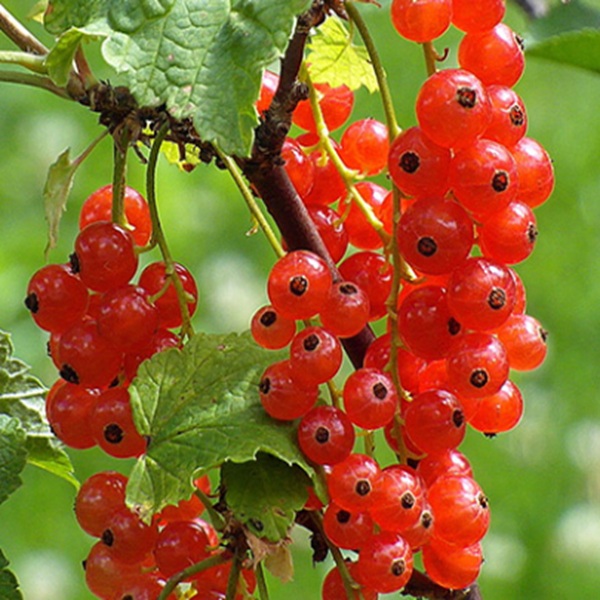
Redcurrants are one of the most rewarding berries to grow. Not only do they offer a burst of tart sweetness, but they are also packed with nutrients, making them a fantastic addition to a garden. These hardy shrubs thrive in cooler climates, producing clusters of vibrant red fruit that hang like miniature jewels from delicate branches. Their versatility extends beyond fresh eating; they make excellent jams, sauces and desserts.
Redcurrant plants are relatively low-maintenance compared to many other fruit-bearing shrubs, making them a great choice for beginner and experienced gardeners alike. They can be planted in the ground or grown in containers, adapting well to different spaces. Since they require minimal pruning and are resistant to pests and diseases, they offer a trouble-free gardening experience.
Getting Started
Choosing the right variety is an important first step. Some popular redcurrant cultivars include:
- Jonkheer van Tets, known for its early ripening and large berries
- Rovada, a late-season variety with high yields
- Red Lake, a classic redcurrant that grows well in different conditions
Redcurrants thrive in temperate climates, making them a perfect fit for gardeners in USDA zones three through eight. Unlike heat-loving fruits, redcurrants prefer cooler summers and can even tolerate frost, allowing them to thrive in northern regions.
Location is key to a healthy harvest. These plants do best in full sun or partial shade, but in hotter regions, some afternoon shade can prevent heat stress. While they tolerate some shade, fruit production improves significantly when given plenty of direct light.
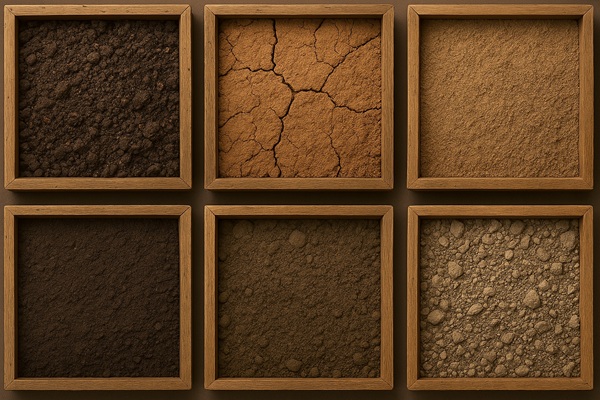
Soil preparation is crucial for strong growth. Redcurrants prefer well-draining soil with a pH between 6.0 and 6.5. If the soil is too alkaline, adding organic matter like compost or peat moss can help balance it. Heavy clay soils should be amended with sand or organic materials to improve drainage and prevent root rot.
Tip: You can plant Redcurrants in close proximity to strawberries to add delightful red shades to your garden.
Planting Basics
Redcurrants can be grown from cuttings or purchased as young plants. When planting bare-root or potted redcurrant bushes, timing matters. The best season for planting is early spring or late fall, allowing the roots to establish before extreme temperatures set in.
Spacing is another essential factor. Redcurrants should be planted at least three to four feet apart to allow proper airflow and prevent disease buildup. If grown in rows, leaving about five feet between them ensures easy access for maintenance and harvesting.
Planting depth influences root development. When setting a young plant into the ground, ensure the crown is slightly below soil level to encourage strong root growth. Watering deeply after planting helps the roots settle and reduces transplant stress.
Mulching around redcurrant plants has multiple benefits, from retaining moisture to suppressing weeds. A layer of organic mulch, such as wood chips or straw, keeps the roots cool in summer and insulated in winter while preventing unwanted competition from weeds.
Once established, redcurrants require moderate watering. Consistency is key – too much water causes root rot, while insufficient watering leads to smaller berries. A good rule of thumb is to keep the soil evenly moist but not waterlogged.
Pruning
Redcurrants benefit from light pruning to maintain structure and encourage better fruiting. While they do not need aggressive trimming, shaping the bush correctly ensures healthier growth and a more abundant harvest.
During the first year, pruning helps build a strong framework. Removing weak or overcrowded stems directs energy toward stronger branches, leading to better fruit yields in the long run.
Annual pruning should focus on removing older wood while encouraging new shoots. Since redcurrants produce berries primarily on stems that are two to three years old, keeping a balance between younger and mature branches ensures continuous fruiting each season.
Thinning the bush by cutting excess interior growth improves airflow, reducing the chances of fungal infections. Redcurrants thrive with good circulation, preventing common issues like powdery mildew and mold.
If the plant starts producing excessive small berries, selectively trimming weaker branches helps redirect energy toward larger, healthier fruit clusters.
From Flower to Fruit
Redcurrants start producing delicate, pale green flowers in spring, which gradually develop into small clusters of fruit by early summer. Pollination occurs naturally, with bees and other pollinators playing a key role in ensuring a productive yield. While redcurrants do not require additional pollinators to set fruit, encouraging pollinator activity can improve berry production.
As the fruit grows, the berries change from green to bright red. Unlike some fruits that ripen over an extended period, redcurrants tend to mature within a few weeks, leading to a short but plentiful harvest window.
The placement of fruit clusters on the branches is unique compared to other berries. Since the fruit develops in hanging strands, maintaining balance in branch structure helps prevent breakage when the weight of the berries increases.
Temperature influences flavor more than expected. Redcurrants grown in slightly cooler conditions develop a more intense tartness, while those exposed to extended warmth can have a subtle sweetness. This variation adds an interesting dimension to the harvesting process, allowing gardeners to adjust timing for the best flavor profile.
Harvesting
Redcurrants are ready to harvest once they reach a deep, uniform red color and feel firm to the touch. Waiting too long can result in overly soft berries, making them difficult to store or transport.
Picking redcurrants involves gathering entire fruit strands rather than individual berries. This method ensures minimal damage and preserves the quality of the fruit. Simply snip or gently pull the clusters from the bush, avoiding unnecessary handling that may bruise delicate berries.
Freshly harvested redcurrants can be eaten immediately, but they also store well. Keeping them in the refrigerator maintains freshness for up to two weeks. If planning to use them for jams or preserves, freezing is a great option to extend their shelf life.
Drying redcurrants is another way to enjoy them year-round. Properly dehydrated berries retain their flavor and make an excellent addition to cereals, baked goods, or teas.
Final Thoughts
Redcurrants are one of the most rewarding berries to grow, offering both beauty and practicality in a garden. Their resilience, adaptability, and high fruit yields make them a perfect addition for gardeners looking to cultivate a reliable and flavorful crop.
With minimal maintenance, redcurrants provide consistent harvests while adding vibrant color and nutrition to summer dishes. Whether eaten fresh, preserved, or used in creative recipes, they remain a staple for anyone who enjoys homegrown fruit with depth of flavor and versatility.