Overview
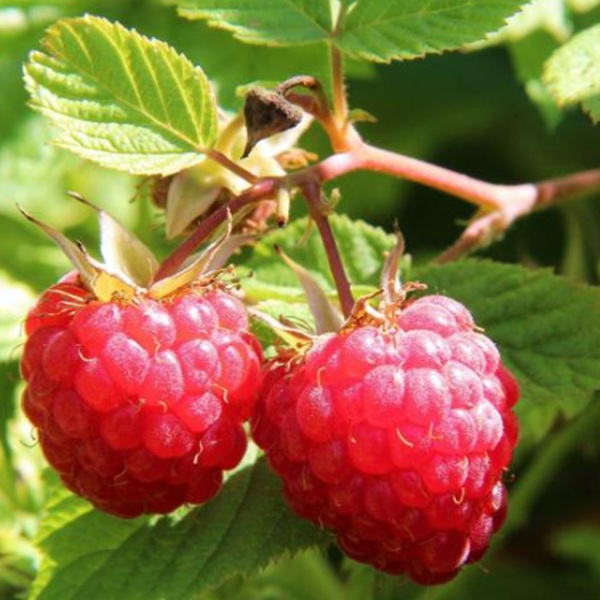
How to grow raspberries is a common topic among gardeners who plant a variety of berries. Raspberries offers a combination of delicious taste and high nutritional value. Whether eaten fresh, used in baking, turned into preserves or even paired with other berries like strawberries, their versatility makes them a staple for any gardener who loves homegrown fruit. These berries thrive in a wide range of climates and, with proper care, can provide years of abundant harvests.
Raspberries grow on cane-producing shrubs that return year after year, making them a long-term investment in your garden. Although they require some pruning and maintenance, they are surprisingly resilient and can be cultivated in garden beds, containers, or even trellises for vertical growth.
Getting Started
Choosing the right variety is important for successful raspberry cultivation. There are two main types:
- Summer-bearing raspberries, which produce a single large harvest in early to mid-summer
- Ever-bearing raspberries, which yield two smaller harvests—one in summer and another in early fall
Popular cultivars include Heritage, Fall Gold, and Jewel, each offering unique flavor profiles and growth habits.
Raspberries grow best in USDA zones four through nine, where they can tolerate cool winters but still benefit from warm growing seasons. They prefer moderate temperatures and adapt well to different conditions as long as soil and sunlight requirements are met.
The ideal planting location for raspberries is one that receives full sun, at least six to eight hours daily. While they can survive in partial shade, less sunlight often leads to fewer and smaller berries.
Soil preparation ensures strong root development and maximum yield. Raspberries prefer well-draining, slightly acidic soil with a pH between 5.5 and 6.5. Heavy clay soil should be amended with compost or sand to improve drainage, while overly sandy soil benefits from added organic matter to retain moisture.
Planting Basics
Raspberries can be grown from bare-root plants, seedlings, or cuttings. The best time to plant is in early spring or late fall when the temperatures are mild and the plants have time to establish themselves before extreme weather conditions.
Spacing is key to healthy raspberry growth. Canes should be planted two to three feet apart in rows that are at least four feet wide, ensuring proper airflow and reducing the risk of fungal diseases.
Planting depth plays a role in root health. When placing new raspberry plants into the soil, keep the crown level with the ground to prevent root rot while encouraging stable growth.
Watering should be consistent, with raspberries needing about one to two inches of water per week. While they tolerate short dry spells, prolonged drought can stress the plants, reducing fruit production.
Mulching benefits raspberries by retaining soil moisture, suppressing weeds, and protecting the roots from temperature fluctuations. Using straw, wood chips, or pine needles around the base helps maintain optimal growing conditions.
Pruning
Pruning is essential for maintaining healthy raspberry plants and maximizing fruit production. Since raspberries grow on canes that either produce fruit in their first or second year, proper trimming ensures a balance between new and established growth.
For summer-bearing varieties, prune spent canes immediately after the harvest to encourage new shoots for the next season. Leaving dead or excess canes can reduce yield and invite disease.
Ever-bearing varieties require different maintenance. Cutting back old canes in late winter or early spring allows fresh shoots to emerge, ensuring multiple productive harvests.
Thinning the plant regularly by removing weak or overcrowded canes improves air circulation, reduces disease risk, and strengthens fruiting branches. More details about pruning raspberries can be found here.
From Flower to Fruit
Raspberry plants begin flowering in late spring or early summer, depending on the variety. These delicate white or pink blooms eventually develop into small green fruit clusters before ripening.
Pollination is crucial for fruit development. While raspberries are self-pollinating, having bees and other pollinators nearby can increase yield significantly.
As the fruit matures, it gradually changes from green to red, purple, or golden, depending on the variety. Unlike some fruits that continue ripening after harvest, raspberries must be picked when fully ripe to enjoy their peak flavor.
One interesting factor in raspberry sweetness is how much direct sunlight the fruit receives. Berries exposed to consistent sunlight develop deeper, richer flavors, while shaded raspberries tend to have a milder taste.
Another unique characteristic is the effect of pruning on fruit size. Plants with fewer canes often produce larger, juicier berries compared to overcrowded bushes with excessive growth.
Harvesting
Raspberries are ready to harvest when they are fully colored and easily detach from the plant when gently pulled. The best indicators of ripeness include:
- A soft but firm texture that holds its shape when picked
- A deep red, purple, or golden color with no remaining green patches
- Easy detachment from the cane without resistance
Unlike some berries that can be stored for weeks, fresh raspberries are delicate and should be eaten or preserved quickly after picking. Refrigeration extends freshness for a few days, while freezing allows for longer storage without compromising flavor.
To freeze raspberries, spread them in a single layer on a baking sheet before transferring them to an airtight container. This prevents them from clumping together, making it easier to use small portions as needed.
Final Thoughts
Raspberries are a fantastic addition to any garden, offering sweet, tangy fruit with minimal effort once established. Their ability to produce year after year makes them a valuable long-term crop, rewarding growers with delicious harvests while adding natural beauty to landscapes.
With proper care, pruning, and attention to soil conditions, raspberries thrive and provide abundant fruit each season. Whether enjoyed fresh or preserved for later, they remain one of the most satisfying berries to cultivate. You’ll never regret adding this versatile fruit to your berry garden.