Importance of Soil
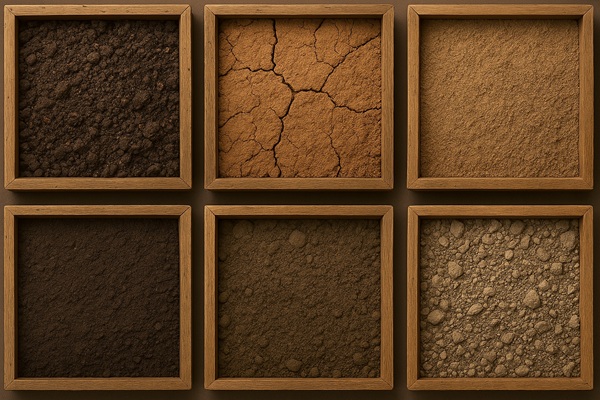
No it’s not a box of chocolates…it’s different types of soil!
When deciding the best soil for planting, we have to consider that soil isn’t just dirt beneath our feet—it’s the lifeblood of everything that grows. It carries history, the remnants of past seasons, the silent energy of renewal. Whether it crumbles softly in your fingers or clings stubbornly like wet clay, soil determines how life takes root and flourishes. Some soils need little intervention, naturally rich and balanced, while others require patience and care before they can truly support growth. But no matter where you start, there’s always a way to bring the earth back to life.
The Different Soil Types and Their Best Crops
Each soil type has its own rhythm, its own way of nurturing plants, and understanding these differences helps gardeners cultivate vibrant, thriving landscapes:
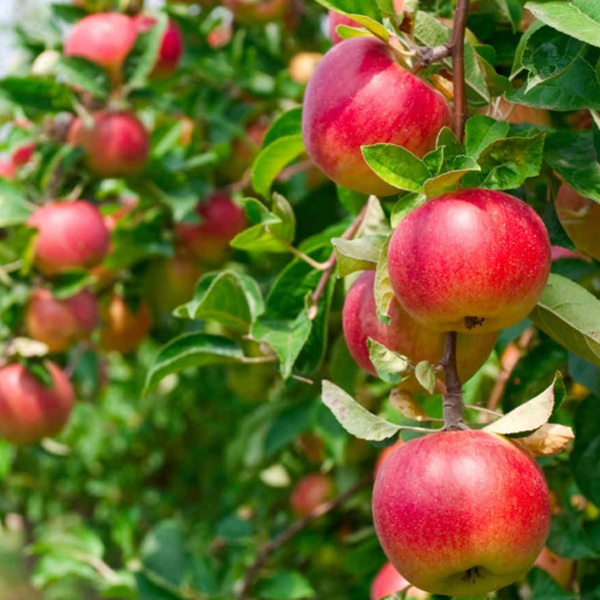
- Loamy Soil – The perfect balance of sand, silt, and clay, loamy soil is a dream for gardeners, rated the best soil for planting. It drains well yet retains moisture, and it’s packed with nutrients that support strong, healthy plant growth. It’s ideal for vegetables, fruit trees, herbs, and flowering plants. Almost anything will thrive in loamy soil, making it the most desirable soil type. Even so, some bigger plants like apple trees also require harder types of soil to maintain strong root support.
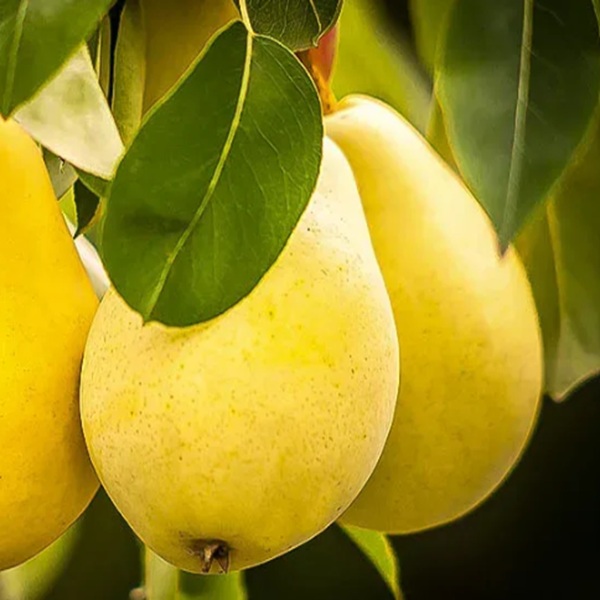
- Clay Soil – Thick, dense, and slow-draining, clay soil holds onto water and nutrients but can suffocate roots if left untreated. It stays cool longer, which benefits moisture-loving plants such as roses, willows, and fruit trees like apples and pears. While clay soil can feel stubborn and unyielding, it has remarkable fertility once properly conditioned.
- Sandy Soil – Light, dry, and loose, sandy soil struggles to retain nutrients and water. While this may seem like a challenge, some plants love its airy texture, including root vegetables like carrots and potatoes, Mediterranean herbs such as rosemary and thyme, and succulents adapted to harsh conditions. Planting tubes like potatoes can greatly help when harvesting time comes around as they can be easily removed from the soil.
- Peaty Soil – Dark and spongy, peaty soil contains a high amount of organic matter and retains water efficiently. While acidic, it can be improved for gardening by adding lime and draining excess moisture.
- Silty Soil – Smooth and packed with minerals, silty soil is highly fertile but prone to compaction. When wet, it becomes slick and suffocating to plant roots. However, it supports nutrient-hungry crops like cabbage, wheat, and leafy greens. With proper aeration, silty soil can become a haven for strong plant growth.
- Chalky Soil – Gritty and alkaline, chalky soil can be stubborn, refusing to hold onto certain nutrients. However, many plants like lilacs, spinach, brassicas, and beets thrive in its high pH conditions. It requires adjustments but can be a rewarding foundation for a garden.
Breathing Life Back Into Struggling Soil
Not all soil starts in prime condition, but with care, it can be transformed into something rich and fertile. The key to improving soil is understanding its weaknesses and working with nature rather than against it:
- For Clay Soil – To loosen clay soil and improve drainage, mix in organic matter such as compost, aged manure, or sand. Gypsum can help break apart compacted particles, allowing air and water to flow through more easily. Raised beds or planting in mounds can also help prevent waterlogging.
- For Sandy Soil – Retaining moisture is crucial, so adding peat moss, compost, and mulch helps slow water drainage. Cover crops such as clover restore nutrients while building structure, giving sandy soil more stability. Organic fertilizers ensure plants receive enough nourishment throughout the growing season.
- For Silty Soil – Preventing compaction is key. Coarse sand and organic matter improve aeration, while mulch helps stabilize moisture levels. Raised beds protect fragile roots from being smothered by excess water. Adding compost regularly supports healthier root development.
- For Chalky Soil – The alkaline nature of chalky soil makes nutrient retention difficult, but it can be balanced with acidic organic matter such as well-rotted manure, pine needles, or sulfur-based amendments. Mulching keeps moisture levels steady, helping plants absorb nutrients more effectively.
- For Peaty Soil – Reconditioning peaty soil involves balancing its acidity, improving drainage, and enriching its nutrient content to make it more suitable for a wider range of plants. Over time, peat can decompose leading to compacting, so adding leaf litter and slow-decaying materials like shredded bark encourages soil diversity and fertility.
- For Depleted Soil – Sometimes soil is simply worn out, stripped of nutrients through overuse or neglect. The best remedy is feeding it organic life—layers of compost, biochar, and cover crops restore fertility, while allowing the soil to rest between plantings ensures long-term health.
The Relationship Between Soil and Growth
Healthy soil isn’t just about growing plants—it’s about understanding the land, respecting its rhythms, and responding to its needs. The richest gardens don’t come from perfect soil; they come from care, patience, and the belief that every patch of earth holds potential.
When we take the time to nurture soil, we aren’t just making the best soil for planting – we’re cultivating a cycle of renewal, a connection between ourselves and the living world. Whether planting a single seed or shaping an entire garden, the soil is always willing to give, if we’re willing to nurture it. There are many articles about the best soil for planting for a more in-depth understanding of the importance of soil. Be sure to check out the fruit picker to see how to plant your favorite fruits.