Overview
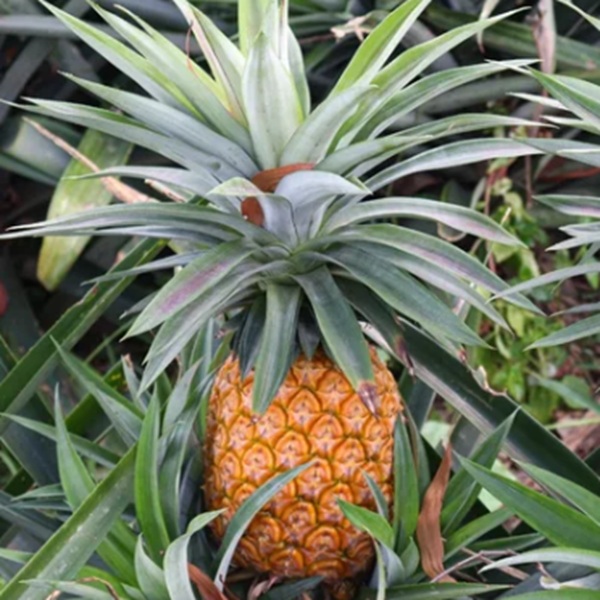
Learning how to grow pineapples can be one of the most rewarding tropical fruits to grow at home. Their sweet, juicy flavor makes them a favorite in kitchens worldwide, and despite their exotic appeal, they are surprisingly easy to cultivate with patience and the right conditions. Unlike traditional fruit trees, pineapples grow from a central rosette, forming a unique, spiky-leaved plant that produces a single, vibrant fruit at a time.
Growing pineapples requires warmth, well-draining soil, and a bit of time, but the payoff is well worth it. Whether planting in the ground or containers, pineapples can adapt to different environments, making them a fascinating addition to home gardens.
Getting Started
Pineapples grow best in tropical and subtropical climates, thriving in USDA zones nine through twelve. They require warmth and do not tolerate frost, making indoor or greenhouse growing necessary for colder regions.
Sunlight is one of the most crucial factors in growing pineapples successfully. These plants need at least six to eight hours of direct sunlight daily to develop healthy leaves and produce a flavorful fruit.
Soil preparation plays an important role in pineapple growth. They prefer sandy or loamy soil with excellent drainage and a slightly acidic pH between 4.5 and 6.5. Heavy clay soil should be amended with organic matter or sand to prevent excessive moisture retention, which can cause root rot.
Planting Basics
Pineapples are typically grown from the crown of a mature fruit, making propagation simple. To start:
- Choose a healthy, ripe pineapple and remove the leafy crown by twisting or cutting it off.
- Strip away the lower leaves to expose the base, allowing it to dry for a day or two before planting.
- Plant the crown in well-draining soil, ensuring the base is lightly covered while keeping the leaves above ground.
Spacing is important for airflow and healthy growth. Pineapples should be planted at least two to three feet apart to prevent overcrowding and ensure they receive ample sunlight.
Watering should be consistent but controlled. Pineapples prefer moderate moisture but should not sit in waterlogged soil. A good rule is to keep the soil slightly damp, allowing it to dry between waterings to avoid rot.
Mulching around pineapple plants helps retain soil moisture and regulate temperature while preventing weed competition. Organic mulch like straw or wood chips works well.
Pruning
Pineapples do not require frequent pruning, but occasional maintenance helps ensure stronger growth.
Removing dead or damaged leaves prevents disease and keeps the plant healthy. Once fruit starts forming, trimming excess leaves surrounding the base can improve airflow and expose the fruit to more sunlight for better ripening.
Suckers, or small offshoots growing from the base, can be left to develop or removed for propagation. Allowing a few strong suckers to remain ensures continuous fruiting without needing to replant.
From Flower to Fruit
Pineapple plants take time to mature, typically flowering after eighteen to twenty-four months. The flowers develop into a central fruit that continues growing for several more months until fully ripened.
Pollination is not necessary for pineapple fruit formation, as the plant produces fruit independently. However, environmental conditions play a big role in fruit quality. Warm temperatures and consistent watering during fruit development lead to larger, juicier pineapples.
One interesting factor in pineapple sweetness is exposure to direct sunlight during the ripening process. Pineapples that receive plenty of sunlight often develop higher sugar content, resulting in a more flavorful fruit.
Another unique characteristic of pineapples is their slow but steady growth pattern. Unlike fruits that ripen quickly, pineapples take several months to fully develop, requiring patience before harvest.
Harvesting
Pineapples are ready to harvest when their outer skin transitions from green to golden yellow, and the fruit gives off a sweet aroma. The best indicators of ripeness include:
- A slight softening when gently pressed
- Deep yellow coloration with minimal green remaining
- Easy detachment when twisted at the base
Using a sharp knife or pruning shears to cut the fruit cleanly ensures minimal damage to the plant, allowing suckers to continue growing for future harvests.
Freshly harvested pineapples can be eaten immediately, juiced, or used in recipes. To extend freshness, storing them in a cool place or refrigerating prevents overripening.
Final Thoughts – Grow a Versatile, Sweet Surprise
Growing pineapples is a slow but rewarding process that results in one of the most flavorful tropical fruits. Their resilience, striking appearance, and ability to thrive in home gardens make them an excellent addition for anyone looking to cultivate something unique. While patience is required, the satisfaction of harvesting a homegrown pineapple makes the journey well worth it.