Overview
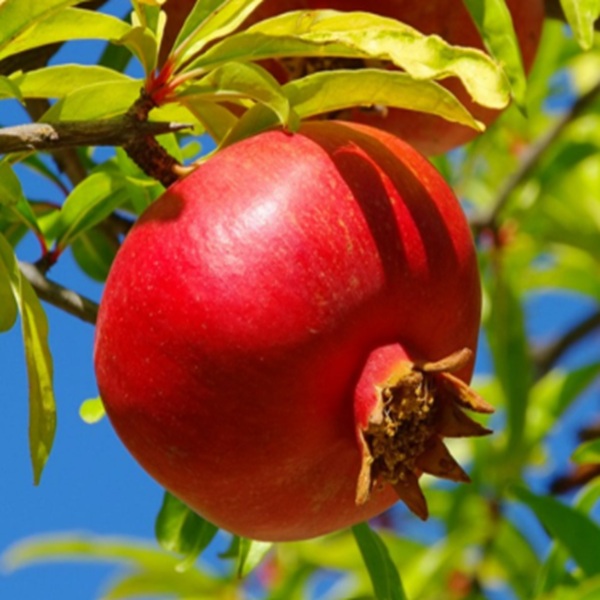
Pomegranates (Punica granatum) are an ancient fruit steeped in history, revered for their jewel-like arils and uniquely sweet-tart flavor. Native to regions stretching from Iran to northern India, they thrive in warm, dry climates, making them a resilient crop for home gardeners. Whether you’re looking to cultivate them for their health benefits, culinary versatility, or ornamental beauty, growing this fruit can be a deeply rewarding experience and in this article we explore how to grow pomegranates.
With the right care and conditions, pomegranate trees can flourish and yield fruit for decades, offering a continual harvest. Their adaptability to different soils and drought tolerance make them a desirable option for both backyard growers and larger-scale agricultural efforts. But beyond their resilience, these trees require thoughtful planning, regular upkeep, and strategic harvesting to maximize fruit production.
Getting Started
Before planting, it’s essential to understand the basics of pomegranate cultivation. The first step is selecting the right variety based on your climate and taste preference. While ‘Wonderful’ is one of the most widely grown commercial varieties, others like ‘Angel Red,’ ‘Grenada,’ or ‘Parfianka’ offer different aril colors, flavors, and growing habits. Some produce softer seeds, ideal for fresh eating, while others are more suited for juicing or culinary applications.
Pomegranates thrive in regions with long, hot summers and mild winters. USDA hardiness zones 7 through 11 are ideal, but microclimates can make a difference. If you live in a cooler area, consider growing them in containers so they can be moved indoors during extreme cold. One often overlooked insight: pomegranates can survive light frost, but sustained exposure to freezing temperatures will significantly diminish fruit quality and yield, affecting the balance of sugars and tannins in the arils.
Planting Basics
Choosing the right location is critical. Pomegranates love full sun, needing at least six to eight hours daily. The more sunlight they receive, the more vibrant their fruit production will be. They prefer well-draining soil, and while they can tolerate clay, sandy loam enriched with organic matter provides the best foundation.
Planting can be done via seeds, but if you want reliable fruit within a few years, opt for cuttings or nursery-grown saplings. Dig a hole twice as wide as the root ball and slightly deeper. Carefully place the tree, ensuring the roots spread naturally, then backfill while gently tamping down to remove air pockets. Water thoroughly to help establish the root system.
An often ignored factor in early-stage pomegranate cultivation: root competition can be detrimental. Avoid planting near aggressive root systems, such as large citrus trees or invasive plants, which can stunt the tree’s growth. Pomegranates develop a broad but shallow root system, making them sensitive to congestion.
Pruning
Strategic pruning is a game-changer in maximizing pomegranate health and yield. Unlike other fruit trees, pomegranates grow in a shrub-like form if left unchecked, producing multiple trunks. While this growth habit works well for ornamental hedges, structured pruning encourages better airflow, sunlight penetration, and fruit quality.
In the first few years, focus on shaping the tree by selecting three to five main trunks for strength. Removing excess shoots from the base will help direct energy into fruit production. As the tree matures, annual pruning should remove any dead, weak, or crossing branches to improve overall structure.
An intriguing pruning technique often overlooked: selective thinning of branches increases sugar concentration in the fruit. When excess branches crowd the canopy, the tree allocates energy broadly, resulting in less intensely flavored arils. Removing weaker branches strategically improves fruit sweetness and uniformity.
From Flower to Fruit
Pomegranate flowers are stunning, with their fiery orange-red petals attracting pollinators. The transition from flower to fruit, however, hinges on pollination, nutrition, and environmental conditions. Though self-pollinating, having multiple trees increases cross-pollination and can boost overall fruit set.
Fruit formation starts once the blossoms are successfully fertilized. The early fruit appears as tiny spheres, gradually expanding into their familiar leathery-skinned forms. Consistent watering during this stage is vital, but overwatering can lead to fruit splitting. A unique trick: pomegranates benefit from deep watering every two weeks rather than frequent shallow irrigation. This method strengthens their root system and enhances drought resistance.
Additionally, pomegranates follow a fascinating natural process where they regulate fruit load. Expect some young fruit to drop prematurely – this self-thinning mechanism ensures the strongest pomegranates reach full maturity without overburdening the tree.
Harvesting
Patience is key when harvesting pomegranates. Unlike some fruits that continue ripening after being picked, pomegranates reach peak sweetness only when left on the tree. The best indicator of ripeness isn’t color alone but rather the sound they make when tapped – ripe pomegranates emit a metallic, hollow sound.
Cut the fruit from the tree using pruning shears rather than pulling, which can damage branches. Handle carefully, as their skin, though tough, can bruise upon impact. Proper storage extends their shelf life significantly; they can last up to three months in a cool, dry place or even longer in refrigeration.
One unexpected insight about harvested pomegranates: storing them at room temperature for a few days can enhance their juiciness. Subtle enzymatic activity post-harvest affects the balance of acidity and sugar, improving the taste without compromising freshness.
Wrapping Up
Growing pomegranates is a fulfilling journey that combines patience with horticultural finesse. These trees reward careful planning and maintenance with an abundant harvest of antioxidant-rich fruit. Whether cultivated for personal consumption or as part of a larger gardening endeavor, understanding their unique needs helps optimize success. Pro tip – pomegranates can be used in juices by itself or with other fruits (don’t forget to strain the seeds)…they are packed with nutrients and taste great!
For those willing to embrace the nuances of care, pruning techniques, and optimal harvesting methods, pomegranates offer more than just their nutrient-packed arils. They symbolize longevity, prosperity, and the joy of growing something truly exceptional. Check out other great fruits to add to your garden.