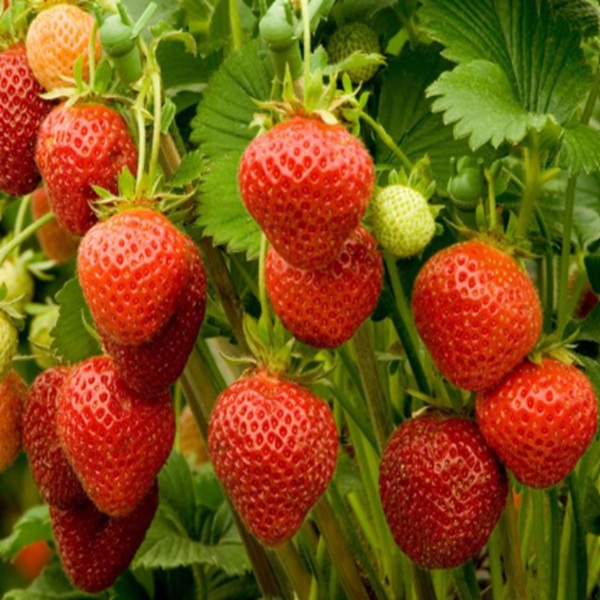
Strawberries might just be the perfect homegrown fruit—compact, bursting with flavor, and surprisingly easy to cultivate. Whether you’re planting them in garden beds, pots, or hanging baskets, they’re versatile enough to thrive in various settings. But don’t let their small size fool you—these little berries require attention to soil quality, spacing, and proper care to deliver a truly satisfying harvest.
The real joy of growing strawberries is watching them transform from delicate white blooms into juicy red berries. And once you’ve tasted a sun-ripened strawberry fresh off the vine, store-bought versions will never compare.
Getting Started
Before planting, choosing the right strawberry variety makes all the difference. There are three main types:
- June-bearing strawberries produce a large crop once a year, typically in late spring or early summer.
- Everbearing strawberries give you two to three harvests spread throughout the season.
- Day-neutral strawberries continuously produce fruit in favorable temperatures, making them great for extended harvests.
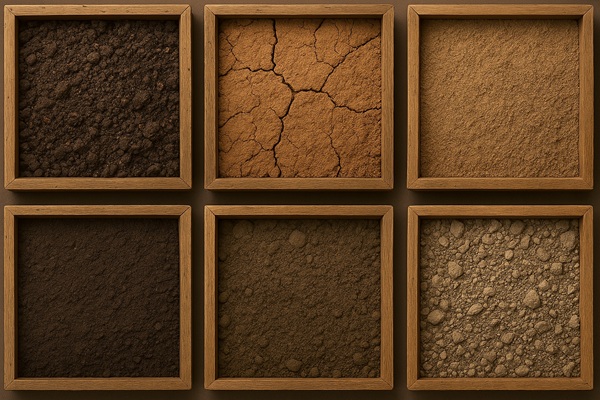
Sunlight is non-negotiable—strawberries need at least 6–8 hours of direct sunlight daily to thrive. Since they prefer well-draining, nutrient-rich soil, testing and amending your soil ahead of time will set you up for success. A slightly acidic soil pH between 5.5 and 6.8 is ideal.
If you’re tight on space, strawberries are incredibly adaptable to container gardening, making them perfect for patios or balconies. Just ensure good drainage to prevent root rot. For gardens with even more limited space, strawberries can be grown easily using hydroponic methods.
Planting Basics
Timing plays a huge role in strawberry success. Plant bare-root strawberries in early spring when the soil starts warming up but isn’t too hot. If you’re planting runners or young plants, spacing them correctly is key—about 12–18 inches apart ensures air circulation and prevents disease spread.
Dig a shallow hole, just deep enough for the roots to be covered, but never bury the crown (the central growing point). Too deep, and the plant may rot; too shallow, and it dries out.
Water consistently but avoid soaking the leaves—strawberries don’t like soggy feet, and overly wet foliage invites fungal issues. Instead, water at the base in the morning to keep leaves dry and reduce disease risks.
Mulching with straw, wood chips, or pine needles keeps moisture levels steady, suppresses weeds, and protects developing fruit from direct soil contact.
Pruning
Though strawberries don’t need heavy pruning like fruit trees, removing runners strategically helps boost berry production. Strawberry plants naturally send out long stems called runners, which create baby plants. While this sounds great, excessive runners drain energy that could be going into fruit production.
For June-bearing varieties, cut off most of the runners early in the growing season to encourage a bigger harvest. Day-neutral and everbearing varieties benefit from periodic trimming but don’t require as much control.
Removing damaged or diseased leaves improves airflow, reducing the risk of fungal infections while strengthening the plant overall.
From Flower to Fruit
Pollination is key in turning delicate white flowers into juicy strawberries. Thankfully, bees and other pollinators love strawberry blossoms, so creating a pollinator-friendly environment helps ensure better yields.
Once berries start forming, keeping them off the soil prevents rot. This is why mulch is so effective—it acts as a natural cushion, keeping fruits clean and reducing exposure to pests.
An interesting trick to sweeten your strawberries naturally is to limit watering slightly as they ripen. A little controlled stress concentrates sugars, giving you berries with richer flavors. But don’t overdo it—completely cutting off water can lead to smaller, tougher fruit.
Harvesting
Strawberries don’t ripen after picking, so knowing when to harvest is crucial. The best indicators of ripeness include:
- Bright red color from tip to stem—no green or white patches.
- Firm but slightly soft texture—too hard means underripe; too mushy means overripe.
- Easy detachment—ripe strawberries pull off effortlessly without forcing.
Harvesting in the morning preserves their best flavor and texture since cooler temperatures help retain moisture.
Always cut strawberries off with scissors or pruners rather than pulling them to avoid damaging surrounding fruit clusters.
Final Thoughts: A Season of Sweet Rewards
Growing strawberries is a rewarding mix of patience, care, and delicious results. Whether you’re nurturing them in a small backyard patch or experimenting with vertical gardening, a well-tended strawberry plant will continue to bring joy season after season.
And honestly – whether it’s homemade jam or even a Victoria sponge cake, once you’ve tasted the difference between store-bought and homegrown strawberries, you’ll never go back. Strawberries can also be grown together with other berries for a fresh, colorful fruit medley. Check out our list of fruits you can easily grow in your garden.