Overview
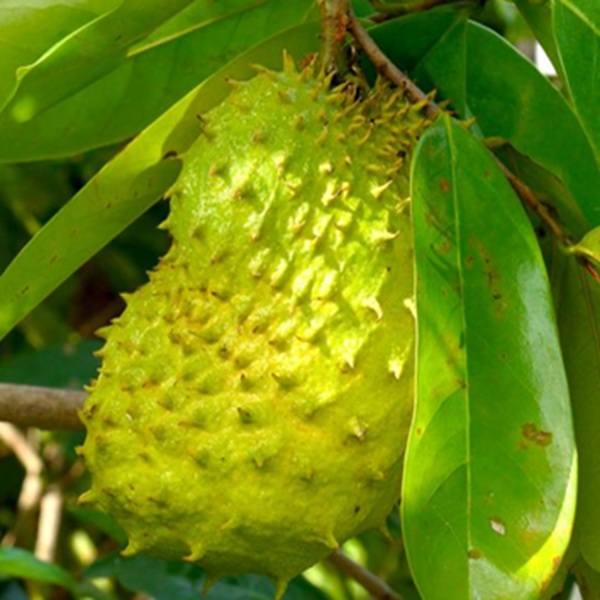
Soursop, also known as Graviola, is a tropical fruit prized for its creamy texture, citrus-like flavor, and medicinal properties. This spiky green fruit grows on evergreen trees and is packed with nutrients and antioxidants, making it highly desirable in natural health circles.
Soursop trees are relatively easy to grow but require warmth, humidity, and patience. They flourish in tropical and subtropical climates, providing lush green foliage and fragrant white flowers before producing their unique fruit. Whether growing it for personal use or adding a stunning fruit tree to your garden, understanding its needs will help you achieve a thriving harvest.
Getting Started
Selecting the right variety is an essential step in growing soursop successfully. While the most common species is Annona muricata, different strains may have slight variations in fruit size, sweetness, and texture.
Soursop trees thrive in USDA zones ten through twelve, where they can enjoy consistently warm temperatures year-round. If you live in a cooler climate, growing them in large containers and bringing them indoors during cold months will keep them healthy.
Location is key. Soursop trees require full sun exposure, meaning at least eight hours of direct sunlight daily. Without enough sun, fruit production will be weak, and the tree may struggle to thrive.
Soil quality is another important factor. These trees prefer well-draining, slightly acidic soil with a pH between 5.5 and 7.0. Loamy or sandy soil works best, while heavy clay should be amended with organic matter to improve aeration and drainage.
Planting Basics
Soursop trees can be grown from seeds, but they take anywhere from three to five years to produce fruit. For quicker results, opt for grafted saplings, which start fruiting in two to three years.
When planting in the ground:
- Dig a hole at least twice the width and depth of the root ball to allow proper root expansion.
- Improve soil texture by mixing compost or sand if drainage is poor.
- Space trees at least fifteen to twenty feet apart to accommodate their wide spread.
Water young trees regularly, especially in dry seasons, to help establish strong roots. Once mature, soursop trees can tolerate some drought, but consistent moisture leads to better fruit production.
Mulching helps retain soil moisture, suppress weeds, and protect roots from extreme temperatures. Use organic mulch like leaves, straw, or wood chips around the base, ensuring it stays several inches away from the trunk to prevent rot.
Pruning
Although soursop trees are not excessively bushy, occasional pruning improves airflow, prevents disease, and promotes better fruit growth.
During the early years, trimming weak or crossing branches shapes the tree and strengthens its structure. A well-balanced tree allows for even sunlight exposure, preventing crowded areas that attract pests.
Once mature, pruning should focus on removing damaged or diseased branches while keeping the canopy open for natural air circulation. Since soursop trees have a tendency to grow low-hanging branches, selective trimming makes harvesting easier.
From Flower to Fruit
Soursop trees bloom with fragrant, yellow-green flowers that develop into fruit within three to five months. The flowers are pollinated by insects like beetles, and while natural pollination works well, manual pollination can increase fruit production.
Young soursop fruit starts off green and gradually enlarges, forming its signature spiky skin. As it matures, the flesh inside becomes soft, creamy, and highly fragrant, signaling its readiness for harvest.
One interesting factor in soursop fruit quality is hydration levels during fruit formation. Trees receiving consistent watering while fruit develops tend to produce juicier, larger fruit, while inconsistent moisture can lead to smaller, slightly tougher pulp.
Another key aspect is shade during ripening. While full sun benefits the tree overall, soursop fruits growing in partial shade can develop a more concentrated sweetness, making them richer in flavor.
Harvesting
Soursop fruit is ready for harvest when:
- The outer skin turns slightly soft, yet remains firm enough to hold its shape.
- The green color slightly dulls, with subtle yellowish tones appearing.
- The fruit detaches easily when twisted gently.
Soursop does not ripen much after being picked, so timing is essential for the best flavor. Use pruning shears or a sharp knife to harvest fruit cleanly, preventing unnecessary damage to the tree.
Fresh soursop can be eaten raw, blended into smoothies, or used in desserts. To store fruit, refrigeration extends its shelf life, while freezing pulp allows for longer storage without losing texture or flavor.
CAUTION: Soursop seeds contain high levels of a neurotoxin, annonacin. Only the fruit should be consumed and seeds discarded!
Final Thoughts
Growing soursops is both rewarding and fascinating. It is a fruit rich in flavor and nutrients, offering both culinary and medicinal benefits. Although patience is required to see the first harvest, the wait is well worth it, especially when you experience the tropical taste straight from your own tree. Don’t forget to discard the seeds before preparing or consuming!