Overview
Sapodillas, also known as chico fruit, are a hidden treasure among tropical fruit trees. With their sweet, caramel-like flavor and smooth texture, they offer a unique treat that can be eaten fresh or used in desserts and smoothies. These trees are incredibly hardy, drought-tolerant, and produce fruit year-round once established.
Sapodilla trees are slow growers, but they are worth the wait. Whether you’re planting them for their delicious fruit or as a shade tree, understanding their growing requirements ensures a healthy, productive plant.
Getting Started
The first step to successfully growing sapodillas is choosing the right variety. Some popular cultivars include:
- Alano – A compact tree with incredibly sweet fruit.
- Hasya – Produces larger, oval-shaped fruit with deep brown skin.
- Silas Woods – A dwarf variety perfect for smaller spaces or container growing.
Sapodillas thrive in warm, tropical environments and grow best in USDA zones nine through eleven. If you live in a cooler climate, they can still be grown in containers and brought indoors during colder months.
Since these trees love heat, they require full sun exposure, meaning at least six to eight hours of direct sunlight daily. More light leads to better flowering and fruit production.
When it comes to soil, sapodillas prefer well-draining, sandy soil with a pH between 6.0 and 7.5. Although they tolerate poor soil, adding organic matter helps boost growth and fruiting potential.
Planting Basics
Sapodillas can be grown from seeds, but they take anywhere from five to eight years to bear fruit. For a faster harvest, opt for grafted trees, which can produce fruit in as little as three years.
When planting in the ground:
- Dig a hole twice the width and depth of the root ball.
- Ensure the soil is loose and drains well to prevent waterlogging.
- Space trees at least fifteen to twenty feet apart, as mature sapodillas have a broad canopy.
Water young trees regularly during their first few years to encourage strong root development. Once established, sapodillas become drought-tolerant and require minimal watering.
Mulching around the base helps retain moisture, prevent weeds, and protect roots from extreme temperature swings. Wood chips, straw, or coconut husks work well as mulch.
Pruning
Sapodillas grow slowly, meaning they do not require aggressive pruning. However, occasional trimming helps maintain a healthy structure.
When young, light pruning encourages a strong framework, reducing leggy growth. Removing weak or crossing branches allows for better airflow, preventing fungal diseases.
Mature trees benefit from occasional shaping, but excessive pruning can delay fruit production. A gentle yearly trim keeps the tree manageable while promoting continuous fruiting.
From Flower to Fruit
Sapodilla trees produce small, bell-shaped flowers that eventually develop into fruit. Pollination occurs naturally, but increased pollinator activity, especially bees, leads to higher fruit yields.
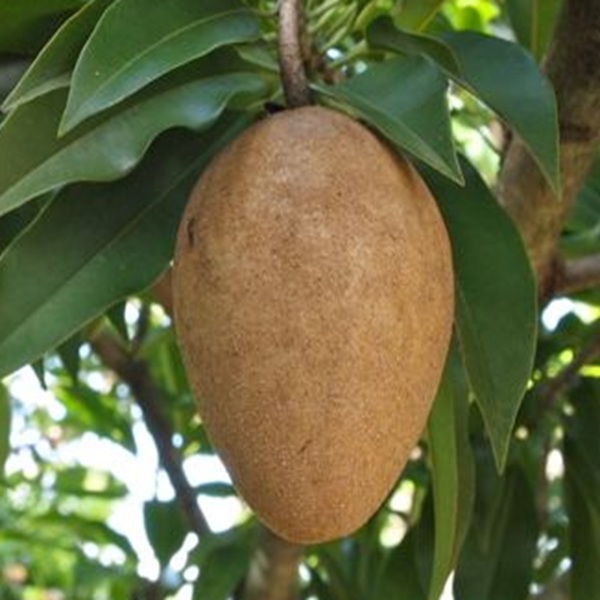
The fruit takes anywhere from four to six months to mature after flowering. Initially green, sapodillas ripen into a brown, rough-textured fruit with rich, sugary pulp inside.
One unique aspect of sapodilla growth is how their fruit ripens. Unlike many tropical fruits, sapodillas do not always fall when ripe. Instead, they remain on the tree, requiring careful monitoring to determine when they are ready for harvest.
Harvesting
Sapodillas ripen best on the tree, and knowing when to pick them is essential for the best flavor. Signs of ripeness include:
- A slight softening of the fruit when gently squeezed.
- A smooth brown exterior with a subtle aroma.
- Easy detachment from the branch with light twisting.
Fresh sapodillas have a grainy texture similar to pears, with a caramel or brown sugar-like sweetness. They can be eaten raw, blended into smoothies, or used in desserts.
Harvested fruit continues to ripen off the tree if picked slightly firm. Keeping them at room temperature speeds up the process, while refrigeration slows ripening for extended freshness.
Quick tip – sapodillas ripen very quickly when stored in the dark! – you’ll know when they are ready after the air is filled with it’s sweet scent.
Final Thoughts
Growing sapodillas is a slow but rewarding experience. Their ability to thrive in tough conditions while producing a delicious fruit makes them a fantastic choice for home gardeners. Whether you’re looking for a reliable shade tree or a year-round tropical fruit provider, sapodillas deliver both beauty and bounty.
You can check out some other fruit tree ideas to complement your sapodilla trees in your garden.