Overview
Tamarind trees are a true gem of tropical gardening—hardy, long-lived, and generously rewarding. Known for their pod-shaped fruit packed with tangy-sweet pulp, tamarinds are widely used in cooking, medicine, and even woodworking. While they thrive in warm climates, they’re surprisingly adaptable and can be grown in pots or outdoor gardens with the right care.
What makes tamarinds special isn’t just their unique flavor but their incredible resilience. They tolerate drought, grow beautifully with minimal intervention, and offer deep shade thanks to their wide canopy. Whether you’re growing tamarinds for their fruit, aesthetics, or practical uses, the process is worth every bit of patience.
Getting Started
Before planting a tamarind tree, choosing the right variety is crucial. While Tamarindus indica is the most common species, there are sweet tamarind varieties that lack the intense tartness. If you prefer a milder flavor, seek out cultivars grown specifically for sweeter fruit.
Since tamarinds love the heat, they thrive in USDA zones 10-12 but can also be grown in containers in cooler regions. Ideally, they require full sun exposure – at least 6-8 hours daily – to reach optimal fruit production.
Soil preparation is important. Tamarinds flourish in well-drained, sandy, or loamy soil, tolerating slightly acidic or alkaline conditions. Unlike other fruit trees that demand rich amendments, tamarinds do exceptionally well in less-fertile ground, provided their roots have space to spread.
Planting Basics
Growing tamarinds from seeds is a popular method, but grafting or transplanting seedlings speeds up the process significantly. Seeds can take years to bear fruit, whereas grafted trees mature much faster.
- Seed Propagation: Soak seeds in warm water overnight to enhance germination, then plant them ½ inch deep in a mix of sand and loamy soil. Germination typically takes 7-14 days, but young plants need careful watering.
- Transplants & Grafted Trees: If planting saplings, ensure they have at least 10-15 feet of space between trees to accommodate their wide spread.
Tamarind trees are deep-rooted, meaning they don’t like excessive watering. Allow soil to dry slightly between waterings, as overwatering can cause root rot, especially in clay-heavy soils.
While fertilizers aren’t strictly necessary, a light application of balanced organic nutrients helps young trees establish themselves. Avoid nitrogen-heavy fertilizers, as excessive leaf growth can delay fruiting.
Pruning
Tamarinds don’t require excessive pruning, but strategic shaping improves fruit production and tree strength.
During the first few years, focus on removing weak or crowded branches to encourage airflow and sunlight penetration. Since tamarind trees grow into wide-spreading giants, occasional pruning prevents overgrowth.
Once trees mature, pruning spent or damaged branches keeps them healthy. Unlike some fruit trees, tamarinds don’t require heavy annual trimming – just periodic maintenance and shaping.
From Flower to Fruit
Tamarinds bloom with small yellow-orange flowers, often pollinated naturally by bees and insects. The tree transitions from flowering to fruit-bearing in warm conditions, typically taking 6-8 months to fully develop pods.
Interestingly, tamarinds can self-pollinate, meaning you won’t need multiple trees for fruit production. However, increased pollination from bees boosts yield significantly.
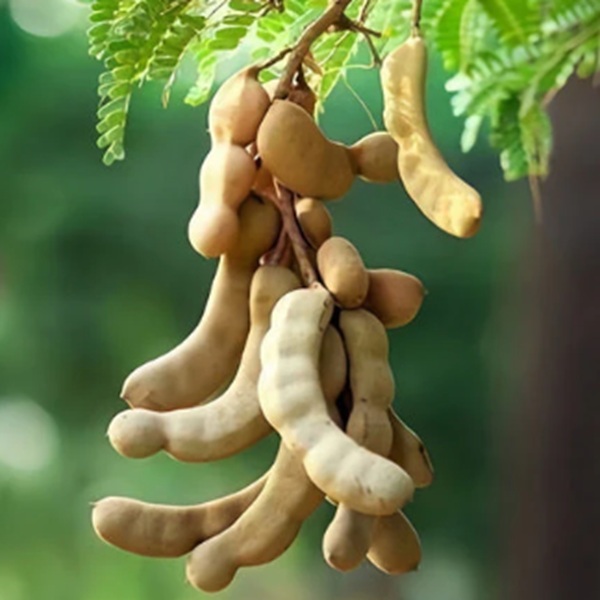
As the fruit grows, it starts green and gradually turns brown when ripe. One unique trait of tamarind pods is their natural ability to hang on the tree well past ripening, meaning they won’t immediately drop off when ready.
Harvesting
Tamarinds are usually harvested after 9–12 months, depending on climate and variety. The key indicators of ripeness include:
- Pod color shift – A fully ripe tamarind pod turns deep brown and brittle, breaking open easily.
- Dry, slightly wrinkled shell – When gently squeezed, mature pods crack apart without resistance.
- Tangy aroma – A strong, citrusy scent is another telltale sign of fully developed pulp inside.
If you’re unsure about ripeness, crack open one pod – it should contain sticky pulp with dark brown seeds. The fruit can be used fresh or dried for storage up to several months.
Once harvested, store pods in a cool, dry place to maintain freshness. Tamarinds also freeze well, retaining their flavor for long-term use. In some countries tamarinds are used to make a flavorful sauce by cooking it with water, sugar and spices. Tamarinds prepared in this way can also be stored for long-term use with proper handling and preserving techniques.
Final Thoughts: A Tree That Gives Back
Growing tamarinds is an exercise in patience, but the payoff is incredible. From their vibrant flowers to their uniquely flavored fruit, tamarind trees don’t just produce – they transform landscapes, offering deep shade, fragrant blooms, and multi-purpose fruits.
If you’re looking for a low-maintenance, resilient tree that offers both beauty and bounty, tamarinds are a fantastic choice.