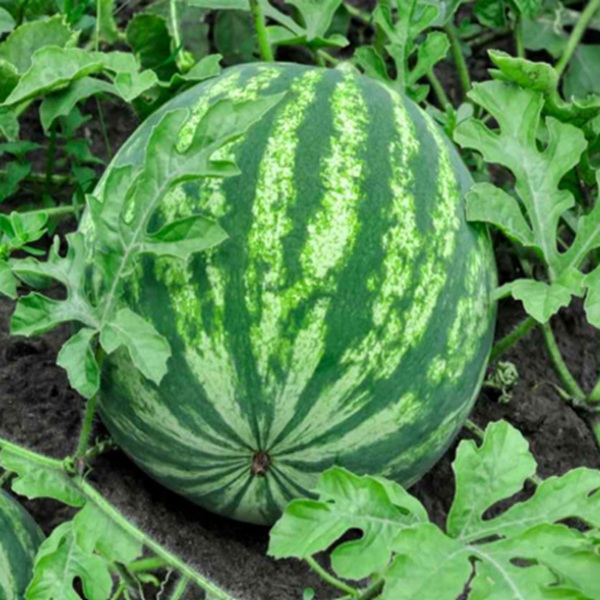
Overview
Watermelons are the ultimate summer fruit—juicy, refreshing, and a perfect balance of sweet and hydrating. But growing them isn’t just about planting seeds and waiting. It requires patience, understanding soil conditions, and careful tending to ensure each vine produces robust, flavorful melons. Whether you’re a beginner or an experienced gardener, this guide will help you cultivate thriving watermelon plants with confidence.
Getting Started
Before you get your hands dirty, selecting the right variety is key. Some popular options include:
- Crimson Sweet – Large, sweet flesh with a traditional watermelon taste.
- Sugar Baby – A compact variety perfect for small gardens.
- Charleston Gray – Known for its resistance to common diseases and excellent taste.
Watermelons thrive in warm temperatures above 70°F (21°C) and need at least 8–10 hours of direct sunlight daily. If you’re in a cooler climate, consider starting seeds indoors and transplanting them once the weather stabilizes.
Soil preparation is another essential step. These plants flourish in well-draining, sandy loam soil with a pH between 6.0 and 6.8. Mixing compost or aged manure into the ground two weeks before planting improves fertility and moisture retention.
Planting Basics
When it’s time to plant, spacing is crucial. Watermelons send out sprawling vines, so they need room to grow. Sow seeds ½–1 inch deep, ensuring at least 3–4 feet of space between plants to promote air circulation and reduce disease risk.
Watering consistency is key. While watermelons require deep watering, overwatering can lead to split fruit as they mature. A good rule of thumb is to provide about 1–2 inches of water per week, adjusting based on weather conditions.
Mulching around watermelon plants protects roots from temperature swings and prevents weed competition. Straw or wood chips work well to retain moisture while keeping fruits off direct soil, reducing the risk of rot.
Note that as a viny plant with fibrous roots, growing watermelons can provide excellent ground cover for a variety of fruit trees with deeper root systems.
Pruning
While watermelon vines tend to grow vigorously, strategic pruning can improve fruit size and quality.
Once the plant starts producing fruit, removing excess vines directs energy toward developing larger, sweeter melons. However, over-pruning can weaken the plant’s ability to sustain growth. Focus on removing weak or unproductive runners, ensuring the strongest vines have room to thrive.
Encouraging airflow within the canopy prevents fungal diseases. Cutting away overgrown leaves that block sunlight to ripening melons allows better exposure, leading to even ripening.
From Flower to Fruit
Pollination plays a vital role in fruit development. Watermelons produce male and female flowers, with bees and insects helping transfer pollen. If natural pollination is insufficient, a gentle hand-pollination method using a small brush can ensure success.
As fruit forms, placing straw or wooden boards underneath prevents ground rot and maintains uniform ripening. Turning the fruit occasionally helps distribute sunlight evenly, avoiding pale or overly firm spots.
One lesser-known fact is that watermelons respond well to strategic stress—slightly reducing water intake during the later stages can concentrate sugars, making the fruit noticeably sweeter.
Harvesting
Watermelons mature between 70–90 days after planting, depending on the variety. Knowing when they’re ready is crucial, and several indicators can help determine ripeness:
- Underside color changes – A yellowish hue where the melon rests on the soil is a strong sign.
- Hollow sound – Tap the melon; a deep, hollow sound means it’s ripe.
- Dry tendrils near the stem – Once these turn brown and shriveled, the fruit is likely mature.
Using pruning shears rather than pulling the fruit off the vine ensures a clean cut, preventing damage to surrounding growth.
Final Thoughts
Watermelon growing is as much an art as it is a science. From choosing the right variety to mastering pollination and pruning techniques, each step plays a role in cultivating the perfect summer fruit. If done correctly, the process is rewarding—not just for the delicious harvest but for the satisfaction of seeing nature work its magic.