Overview
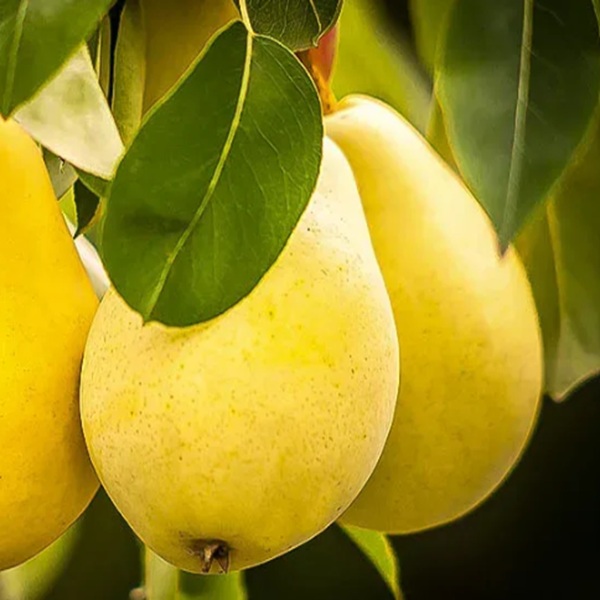
Ever wondered how to grow pears? …these widely cherished fruit, are best known for their smooth texture, juicy bite, and delicately sweet flavor. Whether enjoyed fresh, baked into desserts, or preserved, they are a staple in orchards and gardens worldwide. While they require patience to establish, pear trees are relatively low-maintenance compared to other fruit trees and provide years of reliable harvests.
With proper care, soil preparation, and pruning techniques, pear trees grow strong, resist disease, and yield abundant fruit. Their adaptability to various climates makes them a dependable choice for gardeners seeking long-term fruit production.
Getting Started
Selecting the right pear variety is an essential step for a successful harvest. Some widely grown varieties include Bartlett, known for its classic sweetness and versatility, Anjou, a firm variety that stores well, and Bosc, which offers a crisp texture with spiced undertones.
Pear trees grow best in USDA zones four through eight, preferring regions with cold winters and warm summers. They require a winter chilling period for proper fruit development, making them well-suited for temperate climates.
A planting location with full sun exposure is ideal, requiring at least six to eight hours of direct sunlight daily. While pear trees can tolerate partial shade, reduced light may impact fruit production.
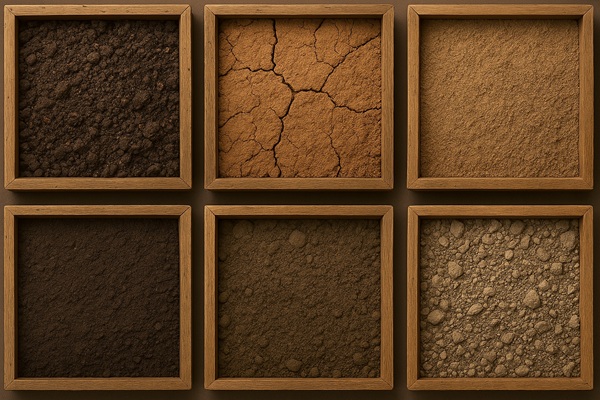
Soil quality is another important factor. Pears prefer well-draining, loamy soil with a pH between six point zero and seven point zero. Heavy clay soil should be amended with compost or sand to improve aeration and drainage, while sandy soil benefits from added organic matter to retain moisture.
Planting Basics
Pears can be grown from seeds, but this method requires several years before fruit production begins. A quicker approach is planting grafted trees, which typically bear fruit in three to five years.
When planting, dig a hole twice the width and slightly deeper than the root ball to encourage healthy root expansion. Improve soil quality by mixing compost to enhance nutrients and drainage. Standard pear trees require spacing of at least fifteen to twenty feet apart, while dwarf varieties need ten to twelve feet between them.
Watering young trees consistently is vital to establishing strong roots. Pear trees benefit from deep watering during dry seasons, although mature trees develop moderate drought tolerance.
Mulching around the base helps retain soil moisture, regulate temperature, and prevent weed competition. Organic mulch like wood chips, straw, or leaves provides excellent protection.
Pruning
Pruning is essential for shaping pear trees and promoting fruit production. Unlike some fruit trees, pears respond best to gradual pruning rather than aggressive cuts.
Early pruning focuses on removing weak or crossing branches to encourage a balanced canopy and strong framework. Pear trees are best trained with a central leader structure, meaning a dominant vertical trunk with well-spaced lateral branches.
Once fruiting begins, annual pruning ensures growth remains balanced. Cutting back overcrowded interior branches improves air circulation and reduces the risk of fungal infections.
Selective pruning also redirects the tree’s energy toward fruiting rather than excessive branch growth, resulting in larger, healthier pears each season.
From Flower to Fruit
Pear trees bloom in early spring, producing delicate white or pink blossoms that eventually develop into fruit. Pollination is necessary for fruit production, and while some pear varieties are self-pollinating, most require a compatible pollination partner planted nearby.
As the fruit develops, pears remain firm and green before transitioning to their final ripened color, depending on the variety. Unlike some fruits, pears do not fully ripen on the tree. Instead, they are picked slightly underripe and allowed to mature off the tree to reach optimal sweetness and texture.
One important factor in pear development is maintaining consistent moisture levels during fruit formation. Trees receiving steady watering tend to yield plumper, juicier fruit, whereas extended dry periods can result in smaller pears.
Another distinctive characteristic of pears is their gradual ripening process. Unlike fruits that soften quickly, pears develop their best flavor after harvesting and require storage at room temperature before they reach peak ripeness.
Compare growing pears with cultivating apples. Many gardeners successfully grow both of these versatile fruits side by side.
Harvesting
Determining the right time for harvesting pears is essential for achieving ideal texture and flavor. Signs of ripeness include the fruit detaching easily from the branch when lifted gently, slight softening near the stem without becoming mushy, and visible color changes based on the variety.
To harvest pears properly, use pruning shears or gently twist the fruit from the branch. Pulling too forcefully can damage surrounding branches, affecting future growth and production.
Fresh pears should be stored at room temperature to ripen fully. Alternatively, keeping them in cool storage can delay ripening for later use, while refrigeration extends their shelf life and prevents overripening.
For long-term preservation, pears can be canned, dried, or made into jams and sauces, allowing them to be enjoyed year-round.
Final Thoughts
Growing pears is an enjoyable and rewarding experience, providing a reliable source of delicious fruit each season. Their adaptability, resilience, and minimal maintenance make them an excellent addition to orchards and gardens alike.
With proper care, pruning, and patience, pear trees offer dependable harvests while enhancing landscapes with their natural beauty. Whether eaten fresh, baked into desserts, or preserved for later, pears remain one of the most satisfying fruits to cultivate and eat fresh off the tree. Need more details on how to grow pears?