
Overview
Bananas, classified under the scientific name Musa spp., are among the most widely consumed fruits globally. Their appeal goes beyond their sweet, creamy texture—they are packed with vital nutrients, including potassium, vitamin C, and dietary fiber. Known for their role in promoting heart health, supporting digestive function, and boosting energy levels, bananas are a staple in many households and cuisines.
Cultivating bananas is not only a rewarding endeavor for commercial farmers but also an exciting project for home gardeners. With the right knowledge and preparation, learning how to grow bananas can yield abundant fruit while enhancing the surrounding environment. Their large, vibrant leaves add a tropical charm, creating an aesthetically pleasing and productive garden space.
Bananas thrive in warm climates, specifically tropical and subtropical regions, where temperatures remain consistently high and humidity levels support their lush growth. A well-maintained banana plant can continuously produce fruit, offering a sustainable food source for years to come.
Getting Started
Selecting the ideal banana variety is critical for successful cultivation. There are over 1,000 varieties of bananas, each with unique characteristics, flavors, and growing requirements. While commercial plantations largely favor the Cavendish variety for its durability and disease resistance, home growers may opt for other types, such as Gros Michel, Lady Finger, or Red Banana, which offer distinct textures and flavors.
Consider factors such as climate, available space, and intended use when choosing a variety. While bananas can grow in a range of environments, they flourish best in areas with warm temperatures and adequate rainfall. It is essential to note that banana plants are technically herbs rather than trees, meaning they lack woody tissue and instead grow through a central rhizome system. Their expansive leaves and substantial height require careful planning to ensure proper spacing and airflow.
Bananas are best grown in clusters, allowing a primary plant to thrive while secondary shoots emerge over time. These shoots, known as suckers or pups, develop alongside the main plant, eventually replacing older growth in a continuous cycle. Proper management of these suckers helps maintain a robust and productive banana grove.
Planting Basics
The foundation of healthy banana growth lies in soil quality. Bananas prefer nutrient-rich, well-draining soil with a slightly acidic to neutral pH (5.5 to 7.0). Ensuring the soil retains sufficient moisture without becoming waterlogged is crucial, as excessive water can lead to root rot and hinder growth.
Banana plants require ample sunlight, ideally receiving six or more hours of direct exposure daily. Adequate warmth facilitates strong growth, while consistent watering helps maintain hydration, especially in drier climates. Mulching around the base of the plant conserves moisture, suppresses weeds, and enriches the soil as organic matter decomposes.
Fertilization is another key aspect of banana care. These plants are heavy feeders, requiring a balanced fertilizer rich in potassium to support fruit development. Regular applications of organic compost, manure, or specialized banana fertilizers ensure the plant remains vigorous and productive.
Pruning
Pruning plays a vital role in banana cultivation, ensuring energy is directed toward healthy growth. By periodically removing dead or damaged leaves, growers help reduce disease risks and promote better airflow. Controlling the number of suckers growing around the main plant prevents overcrowding, allowing nutrients to focus on producing high-quality fruit.
Banana plants are known for their rapid growth, and as they mature, their fruit clusters (or hands) become quite heavy. Providing support through staking or tying prevents damage and keeps the plant upright. Securing fruit-bearing stems early ensures they remain stable, especially during periods of strong winds or heavy rainfall.
Regular monitoring for pests and diseases is important, as banana plants can be susceptible to fungal infections and insect infestations. Implementing preventive measures, such as removing decaying plant matter and using organic pest control methods, minimizes the risk of damage.
From Flower to Fruit
Bananas produce striking flowers, which eventually develop into fruit. The flowering process begins when a mature plant sends up a central stalk, known as the inflorescence, which carries a cluster of blossoms. Female flowers emerge first, forming the recognizable bananas that grow downward in rows.
Unlike many fruiting plants, bananas do not require pollination to produce fruit. Instead, they undergo a unique growth cycle that allows them to develop autonomously. Once a banana cluster forms, it takes approximately three to four months to ripen fully.
During this period, protecting the fruit from environmental stressors is key to achieving a successful harvest. Covering the developing bananas with mesh or paper bags shields them from birds, insects, and extreme sun exposure.
Harvesting
Knowing the right time to harvest bananas ensures optimal flavor and longevity. Bananas should be collected when they reach full size but remain green. Leaving them on the plant too long can result in over-ripening, making them more susceptible to bruising and spoilage.
Once harvested, bananas ripen naturally at room temperature. To extend their freshness, store them in a cool location and avoid placing them near other fruits that emit ethylene gas, which speeds up the ripening process.
Bananas are incredibly versatile—they can be eaten fresh, blended into smoothies, baked into desserts, or cooked in savory dishes. Freezing excess bananas is an excellent way to preserve them for future use, especially for recipes requiring soft, ripe fruit.
In places where bananas are grown for commercial purposes, the bunches are covered in plastic bags to prevent insects and birds from damaging the fruits. In some countries, young, green bananas are used to make recipes like Green Banana Mash and also as an essential ingredient in soups.
Final Reflections
Cultivating bananas is a journey that combines patience, care, and environmental awareness. Whether grown for personal enjoyment or commercial purposes, nurturing these plants fosters a deeper connection to nature and sustainable food production.
By selecting the right variety, maintaining optimal soil conditions, and implementing proper pruning and care techniques, growers can ensure a thriving banana crop. Observing the cycle of growth—from flowering to fruiting to harvesting—underscores the beauty and resilience of these remarkable plants.
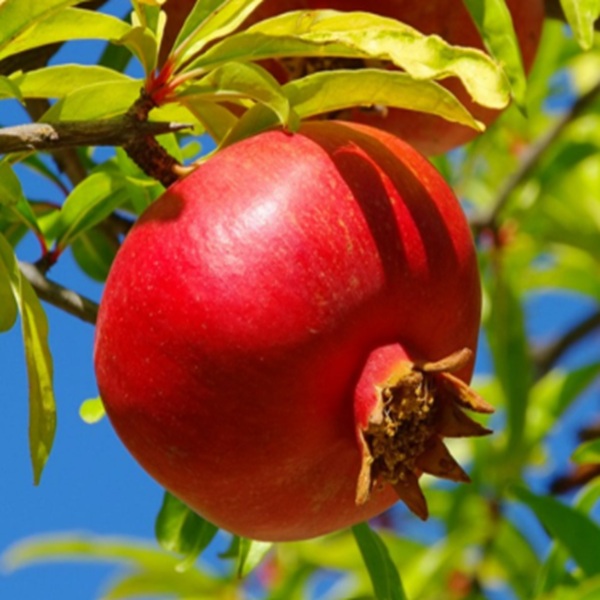
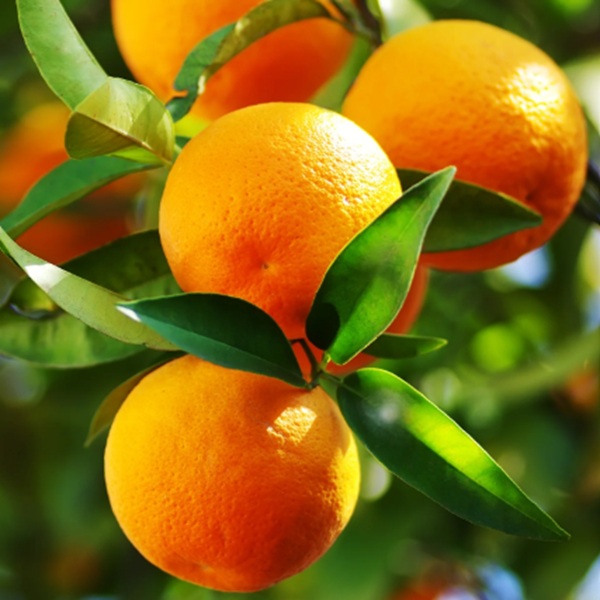
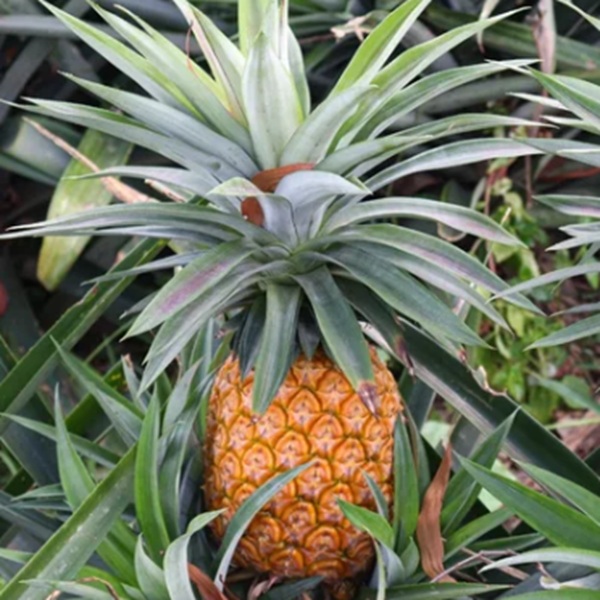
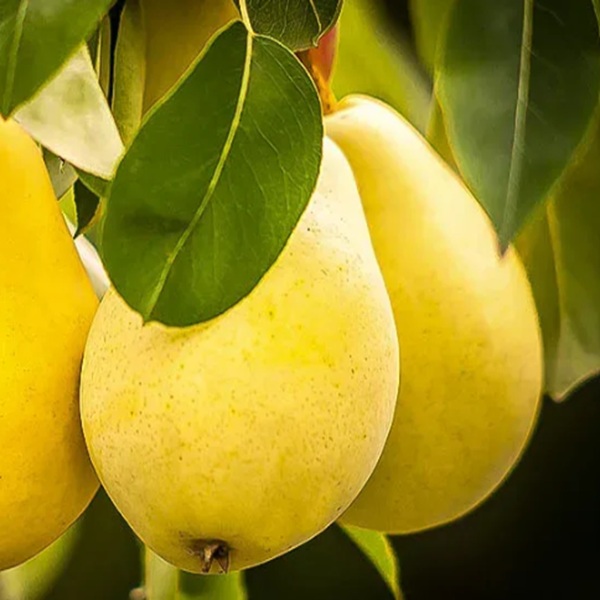
Ultimately, growing bananas is more than just an agricultural practice; it is a testament to the rewarding interplay between human effort and natural processes. As the seasons change and new shoots emerge, banana cultivation remains an ongoing and enriching experience for those committed to its care. Check out other fruits that can be grown with bananas.